
Preparing Your Manhattan Beach Home for Sale: What to Do Before You List
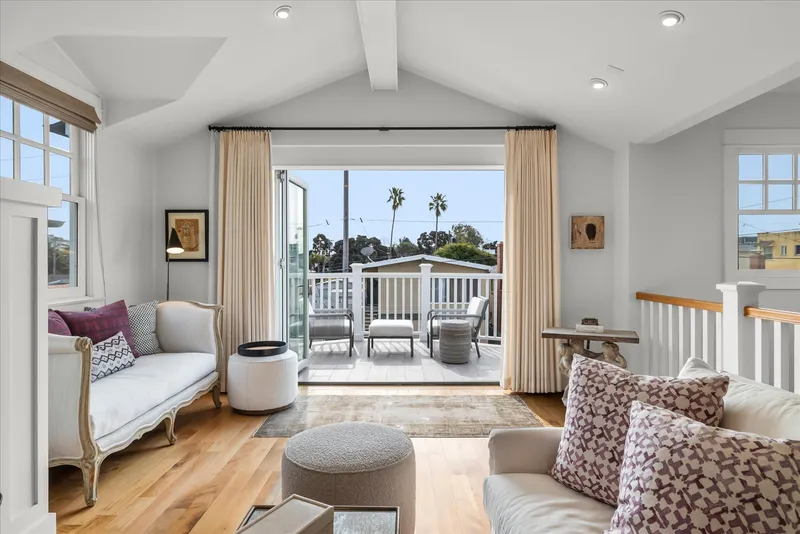
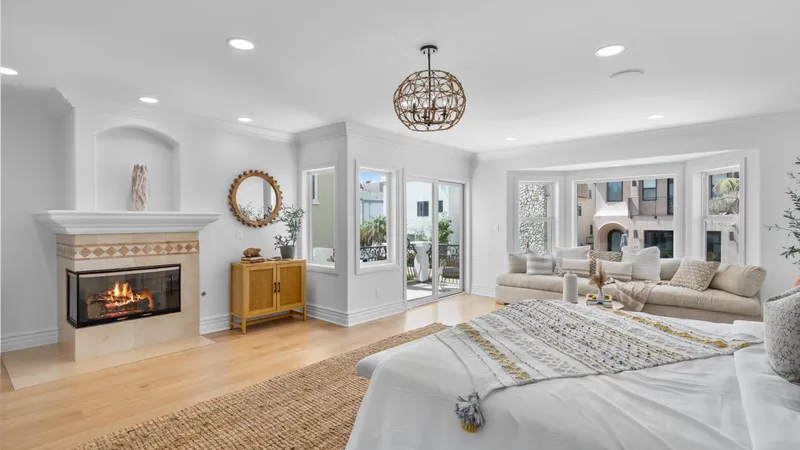
A comprehensive checklist to get your South Bay home market-ready.
Strategic pricing advice to attract the right buyers and maximize value.
Pricing a home in Manhattan Beach is not like pricing a home anywhere else. There’s no formula. No algorithm that reliably spits out the right number. And honestly, the automated estimates you’ll see on Zillow or Redfin are often off by hundreds of thousands of dollars — sometimes more — because this market is too specific, too small, and too driven by individual features for a computer to price well.
What I’m going to share here is how I actually think about pricing — the same approach I’d walk you through in a listing appointment. Not a sales pitch. Just the honest framework I use.
Most sellers assume there’s a simple relationship: price higher, get more money. It doesn’t work that way. In a market like Manhattan Beach, buyers are sophisticated — many of them have been watching the market for months or even years. They know when something is overpriced before you’ve had your first showing.
When a home is overpriced:
When a home is priced correctly from day one:
Comps are the foundation of any price opinion, but pulling comps in Manhattan Beach requires nuance. A sale three blocks away might be useless as a comp if it’s a different section, faces a different direction, or sold in a different market condition. The factors I weight heavily:
What’s active right now matters as much as what’s sold. Buyers make decisions by comparison — they’re shopping your home against everything else available at your price point. If you’re priced at $4.5M and there are three similar homes at $4.2M, $4.4M, and $4.5M all sitting unsold, that’s important context. Your pricing strategy has to account for what buyers are currently seeing as their alternatives.
How fast is the market moving right now? How many days are homes sitting? How often are they selling at, above, or below list price? This context shapes whether you price to invite offers or price at the top of the range. A seller’s market and a balanced market require different approaches even for the same house.
That sale happened in a different rate environment, with different inventory, and possibly with different finishes. Use it as one data point, not as the answer.
If you spent $800,000 renovating, that doesn’t mean the market will give you that back on top of the pre-renovation value. Some renovations add significant value; others don’t. A kitchen and primary suite renovation in a Tree Section home is different from adding an ADU on a Hill Section lot. Know what the market actually rewards before building it into your price.
This strategy works in some markets. It tends to backfire in Manhattan Beach. Buyers here move on quickly — they’re not going to negotiate you down $300,000. They’ll just look at the next property. Padding your price to “leave room” often means you’re pricing yourself out of the buyer pool who could actually afford your home.
Zillow, Redfin, and similar platforms use algorithm-based estimates that work reasonably well in high-volume, homogeneous markets. Manhattan Beach has neither. Lot size variation, Walk Street premiums, view premiums, and section-by-section distinctions are not captured in those models. I’ve seen Zestimates off by $1M+ on homes in this market. Treat them as a starting reference, not a pricing tool.
Every section of Manhattan Beach has its own pricing logic. Here’s a general framework — not a substitute for a real comp analysis on your specific home, but useful context:
Highest price points in the city. Pricing here is heavily driven by proximity to the Strand, Walk Street vs. drive-to, and ocean view. A Strand home and a non-view Walk Street home three blocks apart can be priced $3M–$5M apart. The premium for being truly on the water is real and significant.
More straightforward comping because homes are more consistent in lot size and style. Renovation quality, lot position (end of block near a school vs. mid-block quiet street), and overall condition are the primary value drivers. Price per square foot is not a metric we use, but comparable renovated sales in the same sub-area of the Tree Section are usually the most reliable anchor.
View is the dominant value driver. A view lot can be worth $1M–$2M+ more than a comparable non-view lot. The challenge is that “view” is not binary — there are partial views, rooftop views, protected views, and potentially-obstructed views. Getting this right requires knowing the specific block and any existing height ordinances. The Hill Section also has the most diversity in lot size, which means comps have to be matched carefully.
The most accessible entry into MB. Pricing is more straightforward but still section-specific — Mira Costa Section, Liberty Village, and The Village each have their own micro-market. Condition and lot size relative to immediate neighbors tend to drive pricing more than view or beach proximity here.
When I take a listing, I start with a detailed comparable market analysis — not a one-page summary, but a real look at the relevant comps with adjustments for the features that matter in this market. We walk through what buyers will be comparing your home to, what the market has recently rewarded, and where I think the price should land to generate the right activity.
Then we talk strategy. Sometimes that means pricing slightly below the top of range to invite competition and drive a final number higher. Sometimes it means pricing at market and holding firm. The right strategy depends on your timeline, your goals, and current market conditions — not a formula.
I don’t tell sellers what they want to hear. If I think a home is worth $4.2M and you want to list at $5M, I’ll tell you why I think that approach will hurt you — and then let you decide. My job is to give you the most accurate market read I can and execute whatever strategy we agree on.
If you’re thinking about selling — even if it’s 12 months out — a conversation now is worth having. Knowing what your home is worth, what prep work would move the needle, and what the market looks like for your specific section can shape your timeline and decisions in real ways.
No commitment required. Just a real conversation.
Cecilia Agraz
Stroyke Properties Group | Bayside Real Estate Partners
DRE 01974999
310-803-9338
cecilia@manhattanhermosahomes.com
The clearest signal is showing activity in the first two weeks. If you’re getting showings but no offers, you may be slightly high. If you’re not getting showings at all, the price is likely the reason. A well-priced home in a healthy market typically generates offers within 2–3 weeks of listing.
It depends entirely on your home’s current condition and the market segment. In the Sand Section and Tree Section, buyers generally prefer a fully renovated home and will pay a significant premium for it. In the Hill Section and East MB, the calculus is more nuanced. Cosmetic updates (paint, landscaping, staging) almost always pay off. Major structural or design renovations require more careful analysis before committing.
Well-priced homes in good condition typically go under contract within 2–4 weeks. Luxury properties ($5M+) can take longer — the buyer pool is smaller and often needs more time. Overpriced or poorly presented homes can sit for months. The section, price point, condition, and timing all play a role.
Spring (March–June) is traditionally the most active buyer season. That said, Manhattan Beach has a more year-round market than most places — the lifestyle buyers who want to be here don’t stop looking in the fall or winter. The biggest factor is not the time of year but whether you’re entering a market with low inventory (favorable for sellers) or high inventory (more competitive).
{ “@context”: “https://schema.org”, “@type”: “FAQPage”, “mainEntity”: [ { “@type”: “Question”, “name”: “How do I know if my Manhattan Beach home is priced right?”, “acceptedAnswer”: { “@type”: “Answer”, “text”: “The clearest signal is showing activity in the first two weeks. If you’re getting showings but no offers, you may be slightly high. If you’re not getting showings at all, the price is likely the reason. A well-priced home in a healthy market typically generates offers within 2–3 weeks of listing.” } }, { “@type”: “Question”, “name”: “Should I renovate before selling my Manhattan Beach home?”, “acceptedAnswer”: { “@type”: “Answer”, “text”: “It depends on your home’s current condition and the market segment. In the Sand Section and Tree Section, buyers generally prefer a fully renovated home and will pay a significant premium for it. In the Hill Section and East MB, the calculus is more nuanced. Cosmetic updates — paint, landscaping, staging — almost always pay off. Major structural or design renovations require careful analysis before committing.” } }, { “@type”: “Question”, “name”: “How long does it take to sell a home in Manhattan Beach?”, “acceptedAnswer”: { “@type”: “Answer”, “text”: “Well-priced homes in good condition typically go under contract within 2–4 weeks. Luxury properties ($5M+) can take longer — the buyer pool is smaller and often needs more time. Overpriced or poorly presented homes can sit for months. The section, price point, condition, and timing all play a role.” } }, { “@type”: “Question”, “name”: “What is the best time of year to sell a home in Manhattan Beach?”, “acceptedAnswer”: { “@type”: “Answer”, “text”: “Spring (March–June) is traditionally the most active buyer season in Manhattan Beach. That said, the market here is more year-round than most places — the lifestyle buyers who want to be here don’t stop looking in the fall or winter. The biggest factor is not the time of year but whether you’re entering a market with low inventory (favorable for sellers) or high inventory (more competitive).” } } ] } A comprehensive checklist to get your South Bay home market-ready.
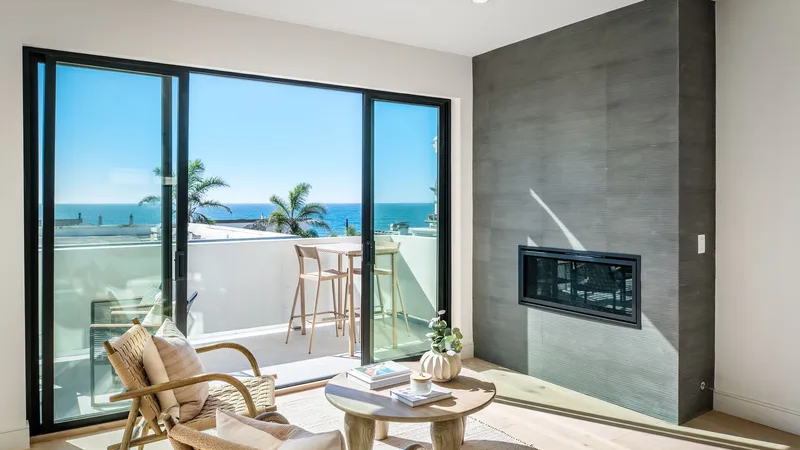
Latest pricing trends and inventory analysis for Manhattan Beach.
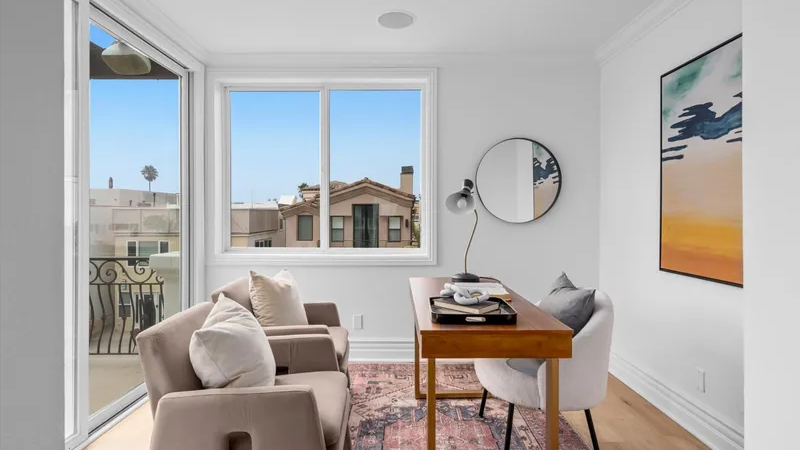
Latest pricing trends and inventory analysis for Manhattan Beach.
From shifting market trends to the best of South Bay living—get the exclusive insights that help you buy smarter and live better in Manhattan and Hermosa Beach.